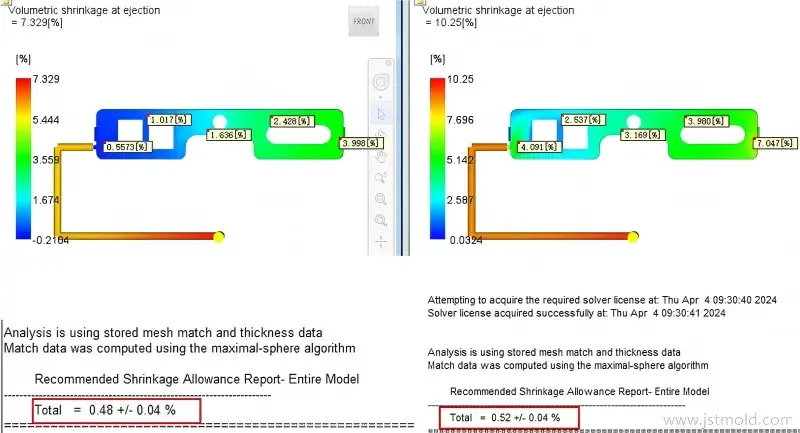
Injection Molding Sink Marks & Internal Voids: Causes and Solutions
Learn why sink marks and internal voids form in injection-molded parts, how to diagnose the root cause, and when processing, part design or mold changes are needed.
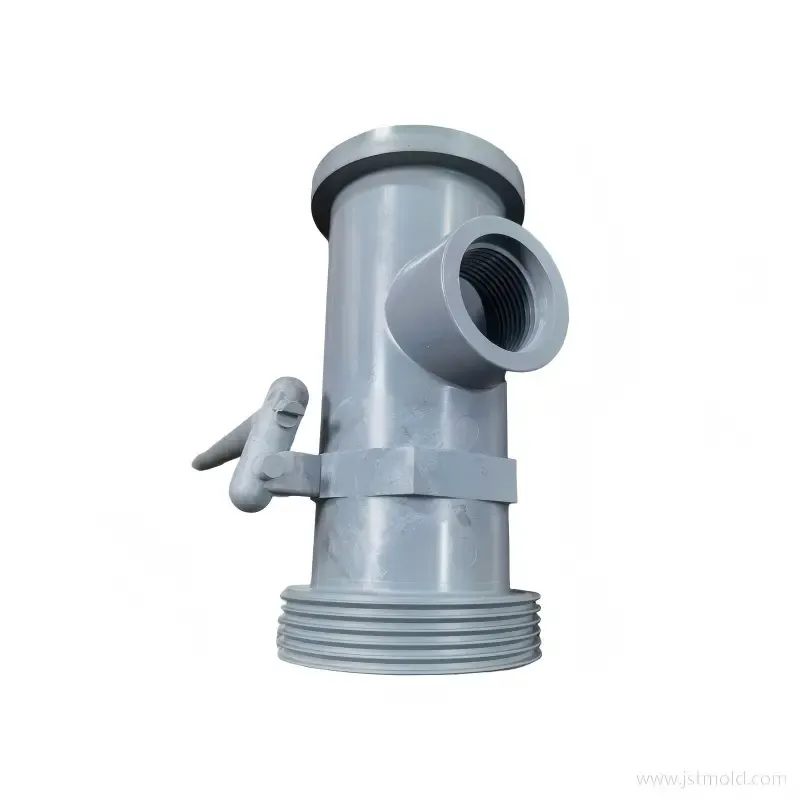
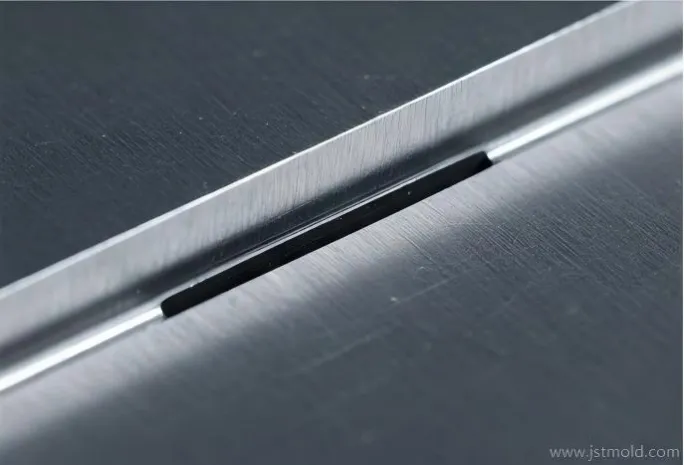
Learn why sink marks and internal voids form in injection-molded parts, how to diagnose the root cause, and when processing, part design or mold changes are needed.

Learn the key mold design and processing challenges of PVC injection molding, including venting, temperature control, gate design, degradation risks and tooling considerations.

Learn how injection mold venting design connects air-trap locations, vent depth, parting-line sealing and mold trials to reduce burn marks and short shots.

Buying a first aid case mold requires confirmed part data, material, volume and machine requirements. Learn what buyers should define before tooling quotation.

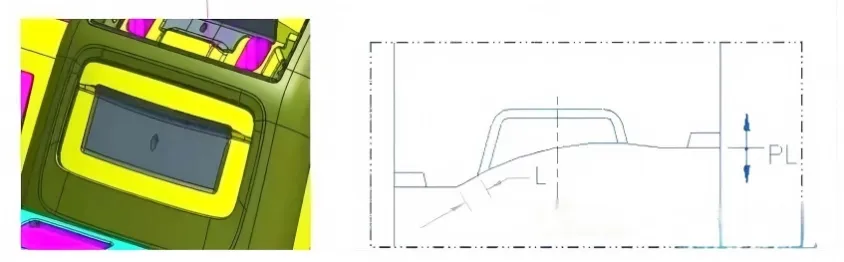
Learn how to design injection mold parting surfaces for clean shut-offs, stable machining, slider coordination, ejection and flash control in complex tooling.

Learn what to include in an injection mold RFQ, from 3D CAD and material requirements to volume, tolerances and mold specifications, so suppliers can prepare a more accurate and comparable quotation.

Practical guidance on ejector pin placement, sleeves, flat ejectors, lifter travel, release sequencing and DFM checks for stable injection mold production.

Learn how half-slider mold designs solve complex undercuts and side core-pulling challenges, including slider travel, shut-off surfaces, sequencing, ejection and common failure risks.

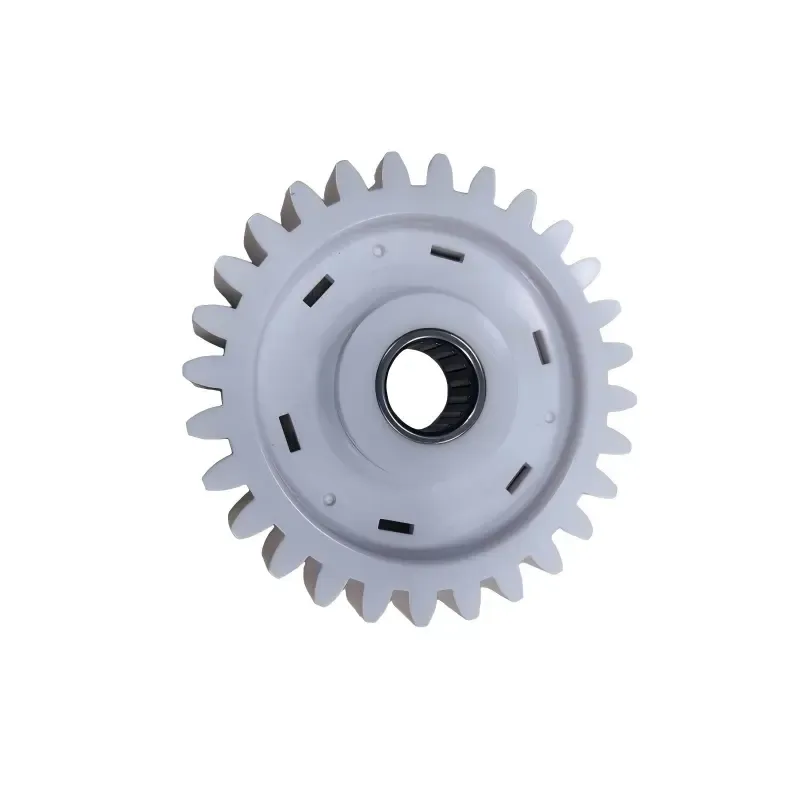
See real precision plastic gear samples from JST Mould and learn the key tooling factors behind POM gear molding, tooth accuracy, dimensional stability and reliable production.

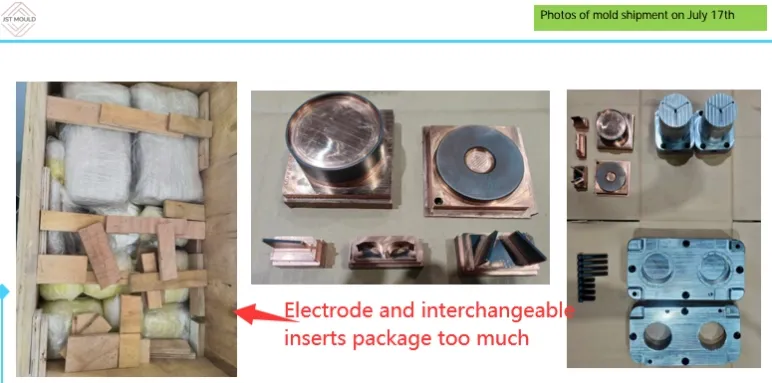
A real injection mold delivery case showing how JST coordinated urgent air freight and customs handling to help protect a European customer’s production schedule.

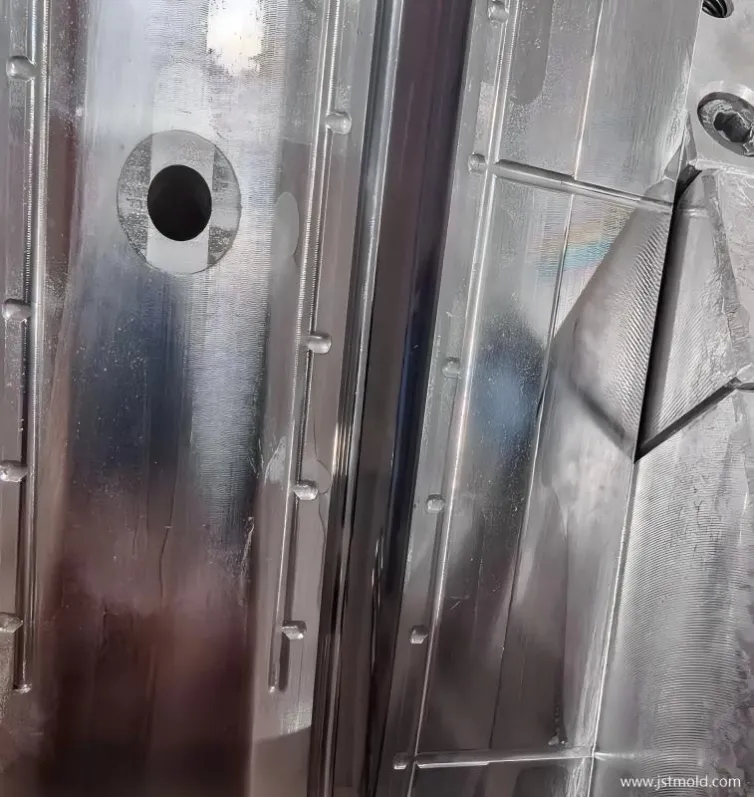
Practical injection mold design guidelines covering gating, ribs, tolerances, cooling, hot runners, automation and mold validation, based on real tooling experience.

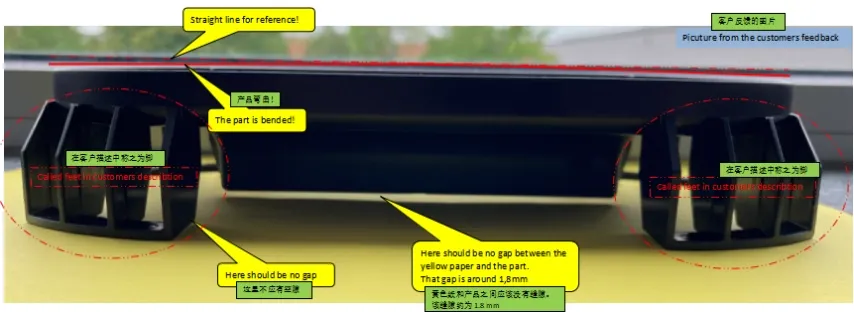
How JST Mould corrected 1.8 mm warpage in a PA6-(GF10+M20) automotive part using mold compensation, DOE validation, feeler-gauge checks and CMM inspection.