
Sep 14, 2026Tier-1 Success Stories
Urgent Injection Mold Delivery by Air Freight | Case Study
A real injection mold delivery case showing how JST coordinated urgent air freight and customs handling to help protect a European customer’s production schedule.
For mold manufacturers rushing product launches, air freight cuts weeks of ocean transit lead time—yet it carries overlooked logistics risks. Shipping high-precision multi-cavity tooling by air involves complex auxiliary components, strict declaration rules, and ultra-short free storage windows at European airport cargo hubs.
A single documentation discrepancy can turn an emergency shipment into a costly crisis. Unplanned logistics holds often lead to unexpected demurrage fees, packaging damage, and repackaging costs that equal nearly 30% of the original air freight budget.
Below is the full, real-life rescue case from JST Mold: how we resolved a customs hold, absorbed the operational strain, and saved production deadlines for a German automotive client.
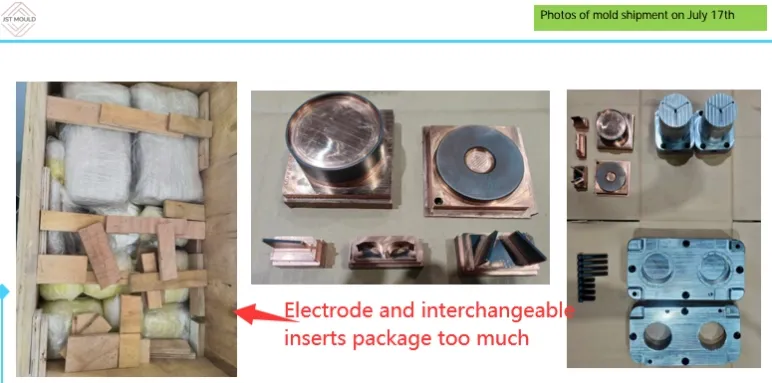
Figure 1: Urgent inspection at Shanghai Customs Airport area due to oversized wooden crate packaging.
Project Background: Complex Automotive Tooling with Auxiliary Components
Our European client required an urgent multi-cavity hard steel mold shipped via air freight to Frankfurt Airport (FRA). The tool was critical to restart paused mass production lines for automotive air vent assemblies and backlight housings.
Unlike standard single-cavity molds, this 430kg tool included two critical auxiliary component sets for long-term production and maintenance:
- Interchangeable Core & Cavity Inserts: Designed for rapid product variant switching on a single mold base, maximizing production flexibility while minimizing secondary tooling investments.
- High-Thermal Beryllium Copper Inserts & Loose EDM Copper Electrodes: High-conductivity Beryllium Copper (CuBe) inserts were integrated into deep-rib core zones to accelerate cooling and shorten molding cycle times. Loose EDM copper electrodes (Red Copper) were also packed alongside the mold for local cavity repair and texture touch-ups at the buyer’s workshop.
Following past export routines, we noted spare parts broadly on the commercial invoice but failed to list inserts and copper electrodes as separate line items with distinct HS codes. This minor gap triggered a full physical customs inspection hold at the departure airport's bonded warehouse.
During extended customs storage, the original export wooden crates, VCI anti-rust wrapping, and electrode packaging sustained severe handling damage. Loose copper electrodes shifted inside the crates, threatening scratches and corrosion on the precision pre-hardened 3Cr2NiMo steel surfaces.
Crisis Timeline: Customs Detention to On-Time Final Delivery ┌─────────────────────────────────────────────────────────────────────────┐ │ AIR FREIGHT RESCUE TIMELINE │ ├──────────────┬──────────────────────────────────────────────────────────┤ │ Day 1–2 │ Physical customs inspection triggered by unitemized parts│ │ Day 3 │ Engineering submits 3D CAD/assembly files in 3 hours │ │ Day 5 │ Customs mandates formal cargo return to JST Mold factory │ │ Day 6 (Noon) │ Shipment arrives; priority green channel opens │ │ Day 6 (4 PM) │ Mold re-inspected, VCI sealed, re-packed & dispatched │ │ Day 7 │ Itemized re-declaration cleared; overnight flight to FRA │ │ Day 8 (Sat) │ Flight lands at FRA; 18-hour free storage counter begins │ │ Day 10 (Mon) │ Client broker files import documents after weekend gap │ │ Day 11 (Tue) │ Frankfurt import customs clearance approved │ │ Day 13 (Thu) │ Severe cargo terminal congestion delays ground pickup │ │ Day 14 (Fri) │ Local agent expedites release; mold delivered to plant │ └──────────────┴──────────────────────────────────────────────────────────┘
Step-by-Step Emergency Crisis Management & Technical Remediation
- Rapid Submission of Technical Supporting Documents
Upon notification of the inspection hold, our engineering team assembled a complete technical verification dossier within 3 hours:
- Full 3D exploded assembly drawings marking the exact installation position of every interchangeable insert.
- Moldflow cooling simulation reports demonstrating the thermal and structural necessity of the Beryllium Copper cooling inserts.
- Itemized packing lists matching every EDM copper electrode to its designated mold cavity, complete with individual weight and quantity statistics.
Despite comprehensive technical proof, customs authorities enforced a mandatory return-to-factory protocol because the original export declaration failed to separate inserts and electrodes from the generic "1 set injection mold" line item.
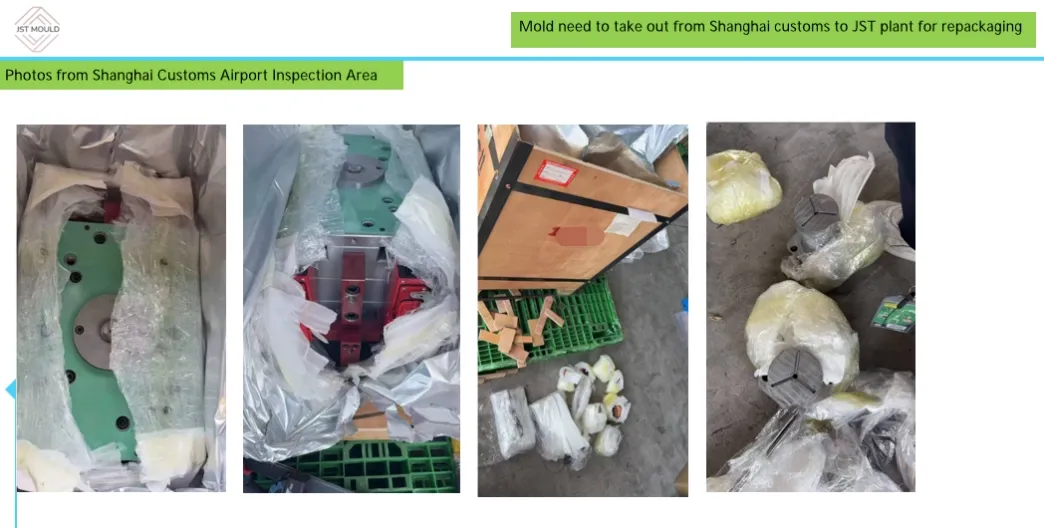
Figure 2: Excessive internal packaging of copper electrodes and interchangeable inserts increasing volumetric weight.
- In-House Mold Re-Inspection & Export-Grade Repackaging
We dispatched bonded trucks to haul the damaged shipment back to our Shenzhen manufacturing facility. Our shop floor activated a dedicated priority green channel:
- Surface Inspection: Inspected all core and cavity blocks for moisture, micro-scratches, or oxidation.
- VCI Rust Protection: Re-applied industrial VCI anti-rust coating on all pre-hardened 3Cr2NiMo tool steel, vacuum-sealing each precision insert independently.
- Custom Crating: Built new fumigation-free export timber crates with custom internal fixed bracing. Loose EDM copper electrodes were individually vacuum-sealed and secured in shock-resistant foam packaging.
- Moisture Barrier: Wrapped external crates in heavy-duty waterproof film to prevent atmospheric condensation during air transit.
All refurbishment and repackaging work was completed by 4:00 PM the same day, and the fully sealed cargo was dispatched straight to the freight warehouse for re-booking.
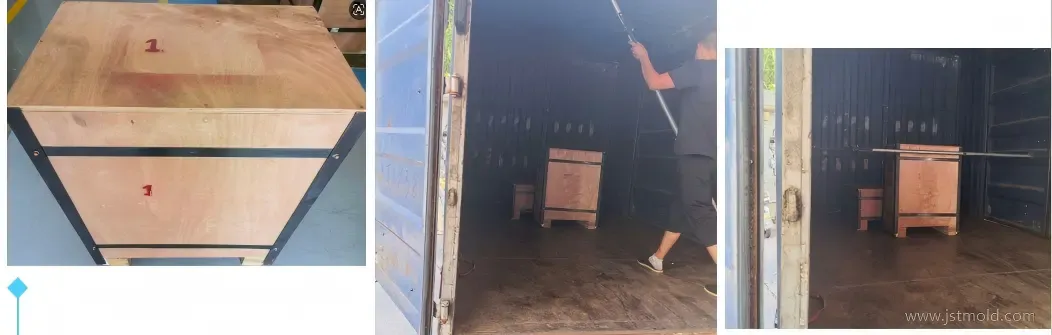
Figure 3: Re-engineered export wooden crate loaded into transport truck at JST plant within 4 hours.
- Three Targeted Logistics Adjustments to Avoid Repeated Inspection
To eliminate identical customs risks for future air exports, our logistics team implemented three permanent protocols:
- Airport Rerouting: Switched departure port from Shanghai Pudong to Shenzhen (SZX) to bypass the previously flagged customs supervision channel.
- Dedicated Bonded Transport: Deployed specialized bonded inspection trucks to deliver heavy tooling cargo, statistically lowering physical inspection probabilities.
- Itemized Full Declaration: Listed interchangeable inserts, EDM copper electrodes, and spare mold components as independent line items with matched HS codes on all export documents.
With fully detailed declaration materials, the mold passed customs review the same evening and boarded a direct overnight flight bound for Frankfurt.
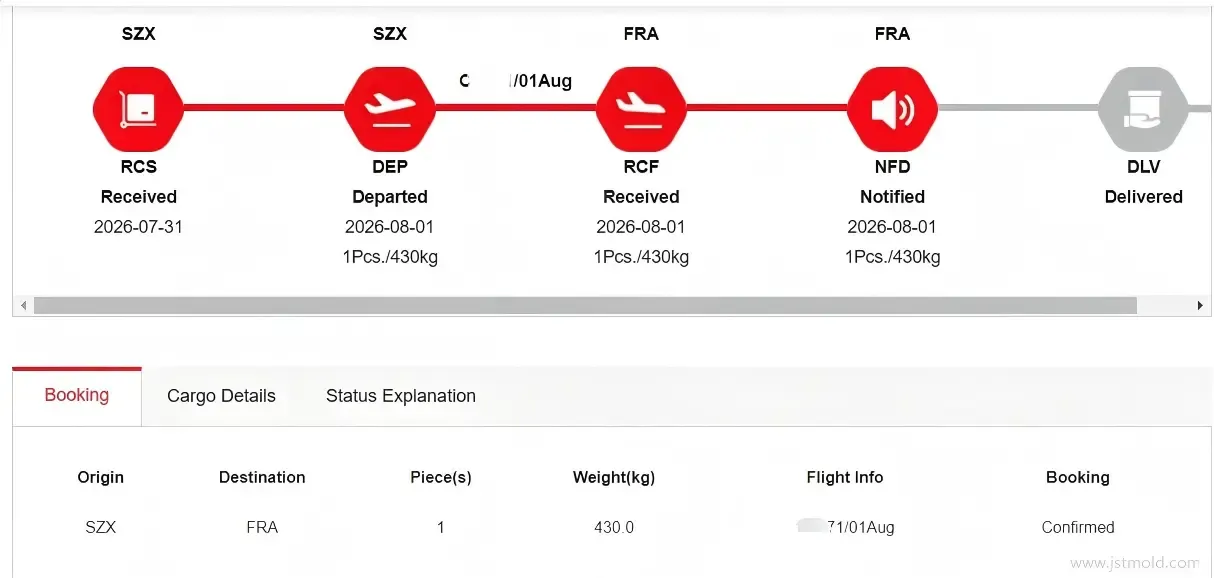
Figure 4: Real-time air cargo tracking from Shenzhen (SZX) to Frankfurt (FRA) confirming 24-hour transit.
Overcoming Terminal Storage Constraints at Frankfurt Airport
Clearing export customs was only half the logistical challenge. Air freight mold shipments face strict storage limitations upon arrival: Frankfurt Airport (FRA) provides only 18 hours of free warehousing time after cargo landing.
The mold touched down on Saturday morning while the client’s logistics team was off for the weekend. Import clearance paperwork was submitted on Monday, meaning the free storage window had expired and daily demurrage fees began accumulating automatically.
Customs release was approved by Tuesday afternoon, but terminal congestion delayed ground pickup for two full days. Our local German logistics representative followed up with warehouse management daily to push priority release, and the intact mold was finally delivered to the client’s production workshop on Friday morning.
On August 11, we received a formal confirmation email from the client's procurement manager, verifying smooth receipt of the undamaged mold and expressing gratitude for our full-cycle emergency support.
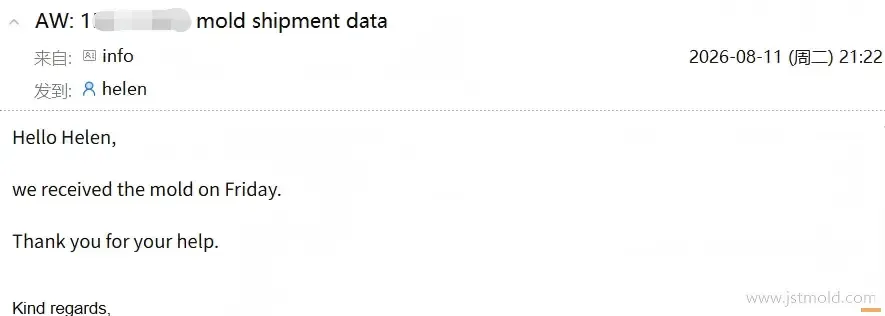
Figure 5: Official email confirmation from European client confirming successful Friday receipt.
Key Takeaways for Global Injection Mold Importers
- Fully Declare All Auxiliary Mold Components Separately: Never group interchangeable inserts, EDM copper electrodes, or spare repair parts under a single generic "1 set mold" line item. Discrepancies between physical package counts and declared documents trigger lengthy inspections, return freight charges, and repackaging costs—which in this case accounted for nearly 30% of the original air freight budget.
- Calculate Destination Airport Free Storage Windows in Advance: Major EU and North American air hubs impose heavy daily storage surcharges once free time expires. If your mold flight lands on weekends or public holidays, coordinate your supplier and local customs broker to prepare pre-filed clearance paperwork in advance.
- Enforce Air-Freight Specialized Packaging Standards: Air cargo undergoes frequent sorting and transshipment transfers. Qualified export molds require independent foam padding for loose electrodes, VCI anti-rust vacuum wrapping for steel inserts, and reinforced timber crates with internal anti-shift bracing.
- Partner with Full-Responsibility Manufacturers: Tooling procurement requires a partner that manages end-to-end supply chain risks. When customs holds or packaging issues arise, JST Mold absorbs all coordination labor and repackaging costs directly without passing financial pressure to clients.
Frequently Asked Questions About Air Shipping Injection Molds
Q1: Must I declare copper electrodes and interchangeable inserts separately for air customs clearance?
A: Yes. Only listing a generic "1 set injection mold" without itemized weights, quantities, and HS codes for auxiliary parts will highly likely trigger physical customs inspections, leading to multi-day holds and unexpected logistics surcharges.
Q2: How long is the free storage period at Frankfurt Airport (FRA) for mold air cargo?
A: Frankfurt FRA Airport grants only 18 hours of free warehousing after flight arrival. Weekend arrivals almost always generate continuous daily demurrage fees if clearance preparation is delayed.
Q3: What extra costs will customs inspection holds bring to air mold shipments?
A: Typical additional expenses include official inspection service fees, round-trip bonded trucking fees, re-declaration administrative charges, repackaging material and labor costs, and airport storage demurrage—which combined can equal up to one-third of the original air freight budget.
Q4: How can importers reduce customs inspection risks for heavy injection tooling?
A: Implement three proven measures: Request itemized export declarations with independent HS codes for all inserts and electrodes from your mold supplier; opt for dedicated bonded inspection trucks for heavy mold shipments; and arrange exports via cargo ports with streamlined industrial processing, such as Shenzhen (SZX).
Get Stress-Free One-Stop Mold Manufacturing & Global Logistics Support
Many plastic product importers lose critical production days and overspend on avoidable logistics fees by cooperating with mold factories that lack cross-border logistics expertise.
As a professional Shenzhen-based precision injection mold manufacturer, JST Mold delivers full-cycle solutions covering DFM design, Moldflow analysis, multi-cavity hard steel mold fabrication, standardized VCI export packaging, compliant customs declaration, and emergency logistics troubleshooting for urgent global shipments.
Choose Your Next Step:
For Importers & Buying Agents: Download our free [Mold Export & Air Freight Risk Checklist] to eliminate hidden shipping fees on your next tooling order.
For Automotive & Precision Engineering Teams: Upload your STEP/IGES 3D CAD drawings for a complete DFM Review + Logistics Feasibility Assessment delivered within 24 hours.
👉 Submit Your Inquiry or Upload Mold Drawings Today: