
Jul 21, 2026Precision Engineering & Tooling
Tier-1 Tooling Protocol 2026: Zero-Defect Standards for German OEM & High-Precision Molds
JST Mould’s 2026 Technical Specification Protocol for Tier-1 tooling. Covering ESR metallurgy, 0.005mm micro-venting logic, and 6-step Scientific Injection Molding (SIM) validation for global OEMs.
JST MOULD: 2026 Technical Specification Protocol for High-Precision Tooling
Introduction:
In the high-stakes sectors of Tier-1 automotive and advanced medical manufacturing, a mold is far more than a tool—it is a critical production asset. The difference between a seamless launch and a costly delay lies in the technical rigor applied before the first shot is ever taken.
At JST MOULD, we have formalized our internal engineering and manufacturing standards into this 2026 Technical Specification Protocol. This roadmap ensures that every tool exported from our facility meets the stringent requirements for longevity, repeatability, and global interchangeability. By integrating advanced material science with scientific injection molding (SIM) and micron-level metrology, we provide our global partners with the technical certainty they demand.
Explore our technical roadmap below to see how we bridge the gap between digital design and zero-defect manufacturing reality.
JST MOULD: TECHNICAL SPECIFICATION PROTOCOL FOR HIGH-PRECISION TOOLINGCompliance Standards: German Tier-1 & Global OEM Requirements (Edition 2026.V2)
PREFACE: THE PHILOSOPHY OF "ZERO-DEFECT" TOOLING
At JST MOULD, we define quality through the lens of longevity and repeatability. For Tier-1 automotive and high-tech medical sectors, a mold is not just a tool; it is a high-performance production asset. This protocol outlines our mandatory technical baselines, ensuring that every tool exported to Europe or North America integrates seamlessly into automated production environments with minimal maintenance and maximum uptime.
1. METALLURGY & MATERIAL TRACEABILITY: THE STRUCTURAL FOUNDATION
- Primary Cavities and Cores: Default materials are restricted to 1.2343 ESR (Electroslag Remelted), 1.2344, or 1.2083 (Stavax equivalent). ESR grades are mandatory for all Class-A aesthetic surfaces to ensure zero pitting and a flawless mirror finish.
- Certified Origin: We do not accept local grade substitutes. Every steel block must be accompanied by original mill certificates from recognized global producers (e.g., Böhler, Groditz, or Kind & Co).
- Heat Treatment Integrity: All technical inserts undergo vacuum heat treatment. We provide a mandatory hardness gradient report. Standard target: HRC 48-52, unless specific resin abrasiveness (e.g., PPS+40%GF) dictates higher nitriding.
- Plate Stability: To prevent plate compression over high-cycle volumes (1M+ shots), support plates are specified at a minimum of 1.1730 or 1.2311, ensuring the mold base maintains parallelism under 2000T+ clamping forces.
2. DESIGN ARCHITECTURE & MOLDFLOW INTEGRATION
Engineering at JST MOULD is data-driven. We bridge the gap between complex 3D CAD data and hardened steel reality.
- Gate & Runner Precision: Aesthetic components require a zero-gate-vestige finish. We conduct mandatory shear rate calculations, especially for high-temp materials like LCP or PPS, to prevent material degradation at the gate.
- Micro-Venting Strategy: To eliminate "burn marks" and air traps in deep-draw sections, we implement micro-venting protocols: 0.005mm for PP/PE and 0.01mm for glass-filled Polyamides. Venting is mandatory at all rib ends and along the entire parting line periphery.
- Thermal Delta Management: Cooling is the engine of cycle time. We mandate a temperature delta (ΔT) between stationary and moving halves of less than 5°C. For cycle targets under 15 seconds, Conformal Cooling (3D printed or high-speed milled) is standard.
Thermal Expansion Compensation: For molds running technical resins at temperatures exceeding 140°C (PEEK/PEI), our designs include precise expansion calculations to maintain alignment between core and cavity when at operating temperature.
- Expert Material Mapping: When specific resin grades are not in the standard database, JST engineers conduct comparative rheological analysis to select the most accurate proxy material, ensuring simulation reliability.
- Our designs are rooted in Material Science. We utilize precise Viscosity Models and PVT Profiles to predict shrinkage and flow behavior, ensuring that complex resins like PBT/PC blends achieve absolute dimensional registration
3. GLOBAL STANDARDIZATION & INTERCHANGEABILITY
A JST MOULD tool must be maintenance-friendly in any factory worldwide.
- Standard Component Compliance: 100% adherence to HASCO, Meusburger, or DME metric standards. This ensures that wear parts (springs, ejector pins, bushings) can be sourced locally in Germany or the US without delay.
- Advanced Guidance Systems: All tools utilize hardened leader pins and bushings. For high-cycle technical molds, we specify graphite self-lubricating components to minimize friction and prevent galling.
- Four-Sided Registration: To ensure zero core-shift in high-precision technical parts, side-locks or top-locks are mandatory on all four sides of the mold base. This guarantees micron-level registration between the two halves.
4. VALIDATION PROTOCOL: SCIENTIFIC INJECTION MOLDING (SIM)
We don't "test" molds; we validate production systems. Our T1 trial is a scientific event.
6-Step SIM Study: Every tool validation includes a mandatory 6-step study report:
- Viscosity Curve (Rheology)
- Cavity Balance Study
- Pressure DropAnalysis
- Short-Shot Verification (Visualizing the flow front)
- Gate Freeze Study (Defining optimal pack time)
- Cooling Optimization
- Pressure Integrity: No flash or parting line separation is permitted even at 100% injection pressure (peak pressure testing).
- Cycle Time Verification: The actual cycle time must meet the DFM-defined target. This is validated via a continuous 4-hour dry-run and stabilized production trial.
- GLOBAL MACHINE COMPATIBILITY & PRECISION CONTROL
At JST MOULD, our engineering philosophy ensures that every tool is optimized for high-performance operation, whether running on a high-speed Haitian system or premium European platforms (e.g., Engel, Arburg). Our designs prioritize:
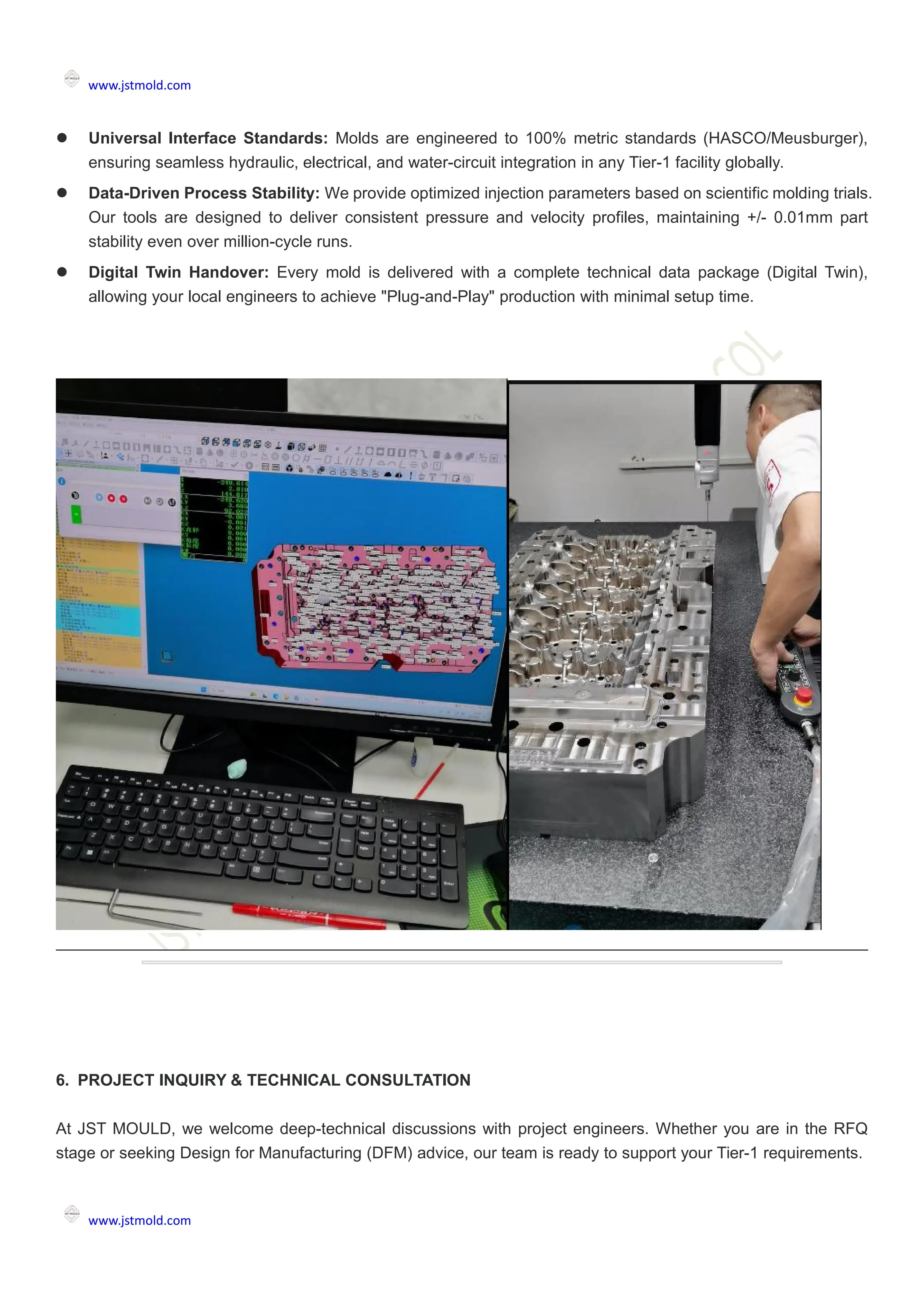
- Universal Interface Standards: Molds are engineered to 100% metric standards (HASCO / Meusburger), ensuring seamless hydraulic, electrical, and water-circuit integration in any Tier-1 facility globally.
- Data-Driven Process Stability: We provide optimized injection parameters based on scientific molding trials. Our tools are designed to deliver consistent pressure and velocity profiles, maintaining +/- 0.01mm part stability even over million-cycle runs.
- Digital Twin Handover: Every mold is delivered with a complete technical data package (Digital Twin), allowing your local engineers to achieve "Plug-and-Play" production with minimal setup time.
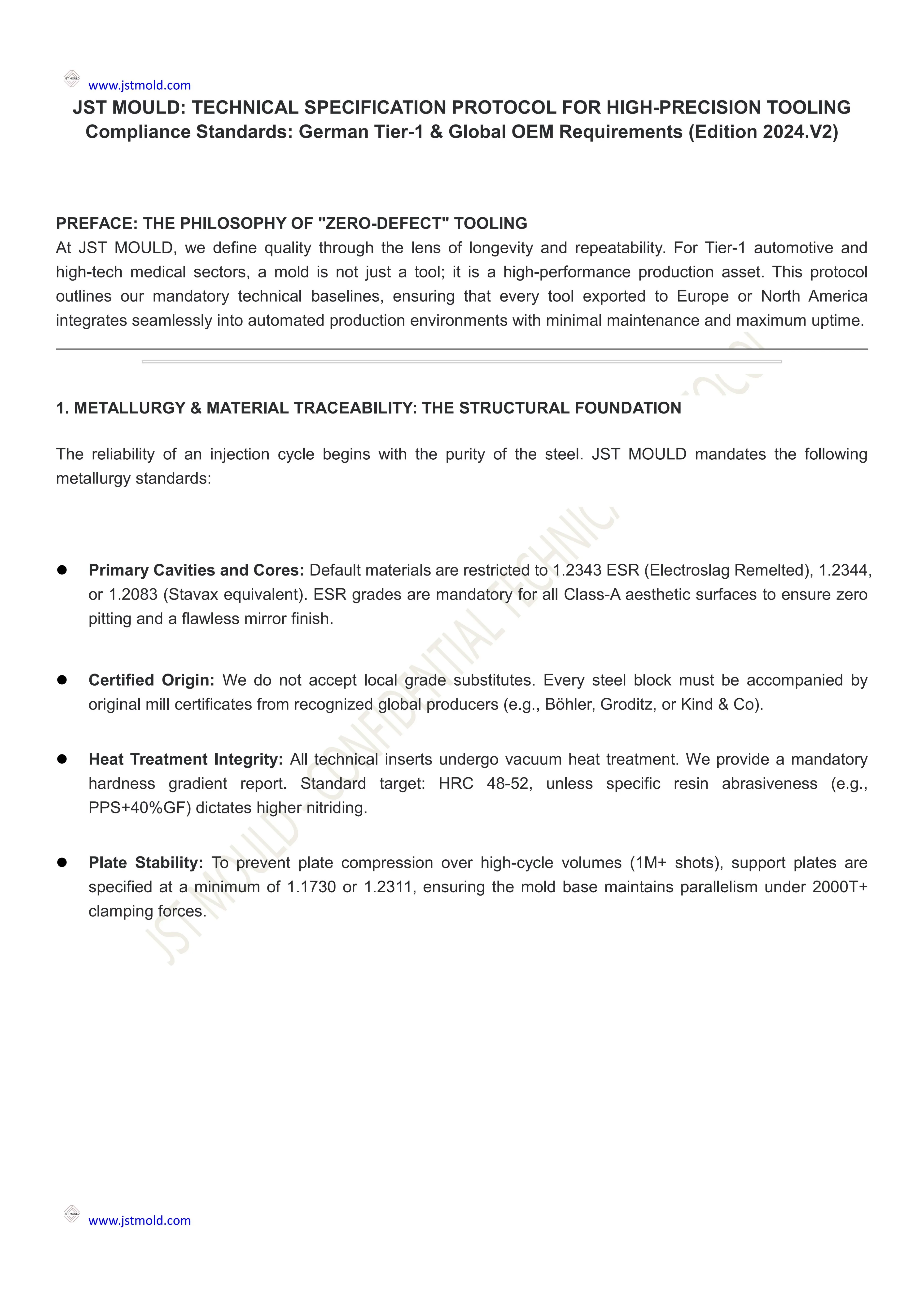
Fig.1: Material Traceability: We only utilize ESR grade steels (1.2343/1.2344) for Class-A tooling.
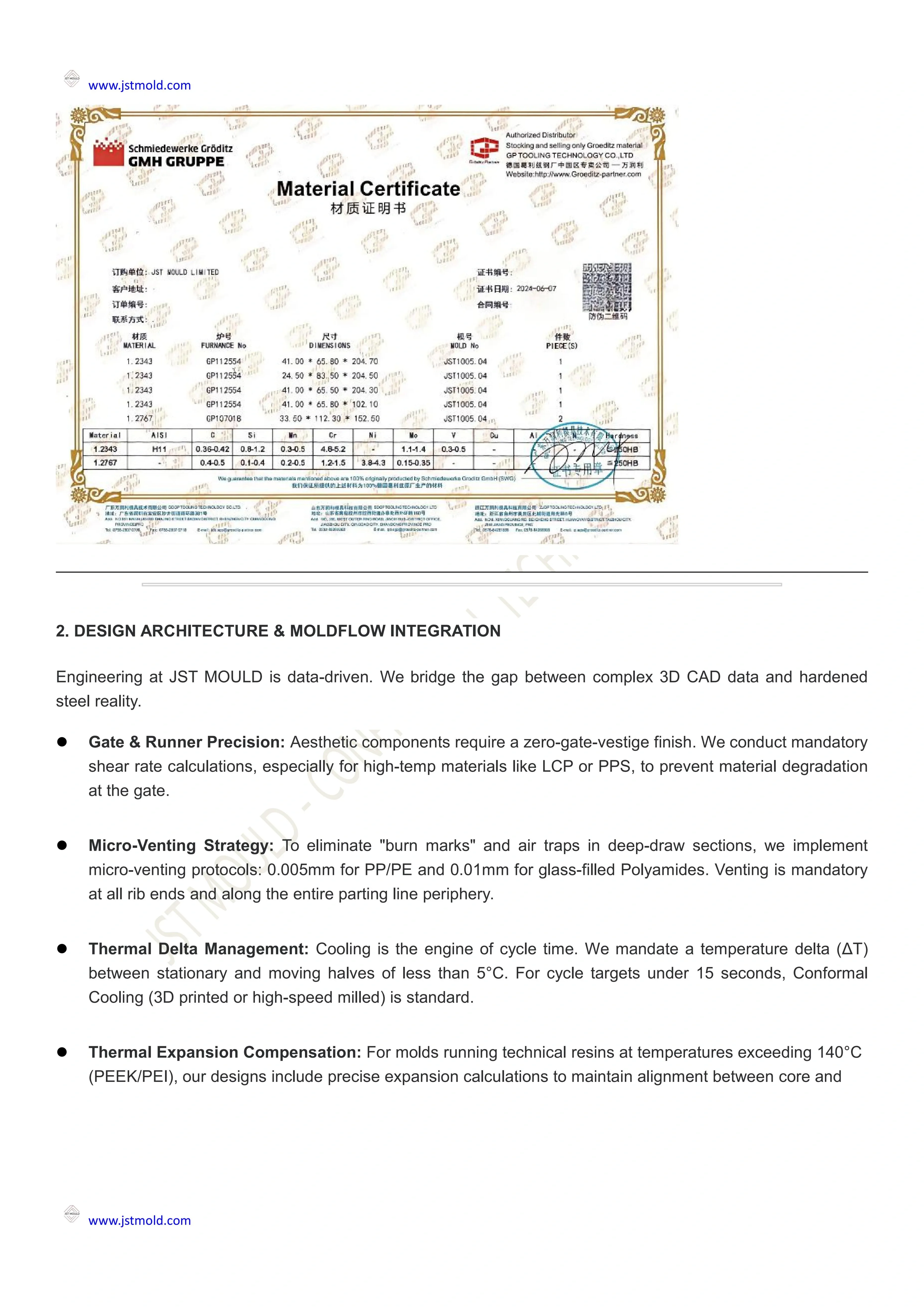
Fig.2: Integrated Excellence: Validating 1.2343 ESR steel traceability alongside high-precision design protocols for Tier-1 production stability.
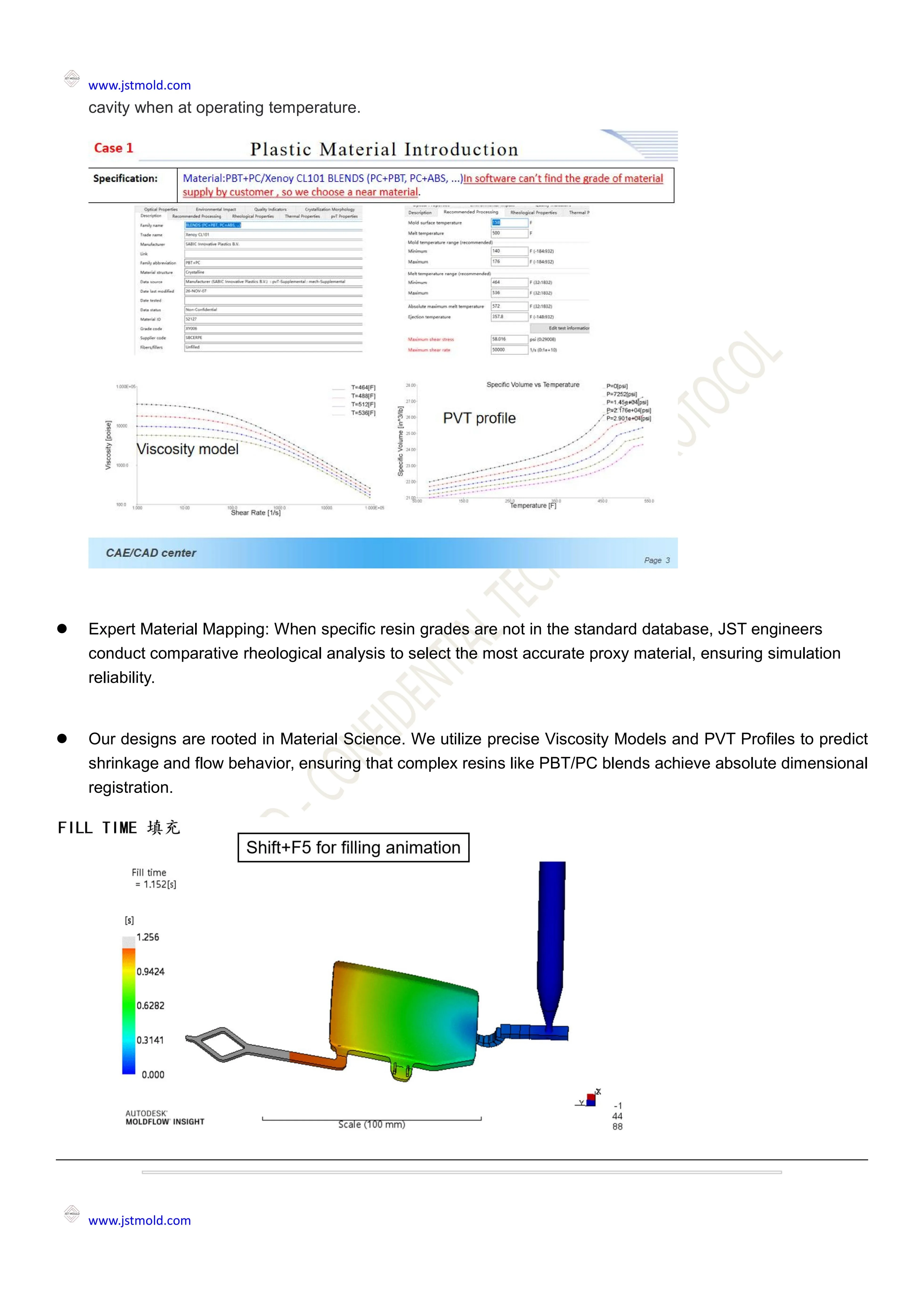
Fig.3: Global Standardization: Utilizing 100% metric standard components for seamless Tier-1 facility integration.
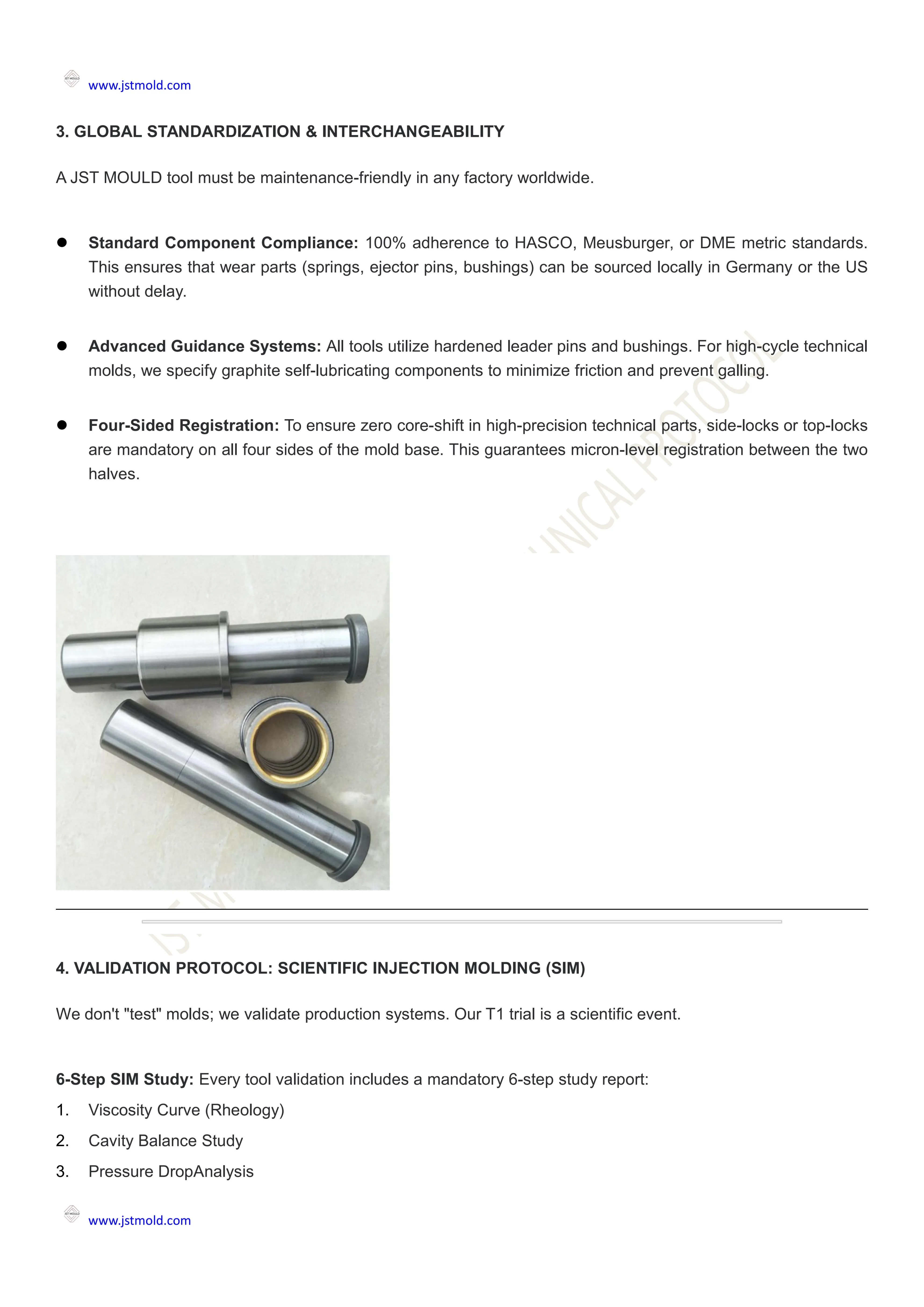
Fig.4: Validation Protocol: Every tool undergoes a rigorous 6-step SIM study before shipment.
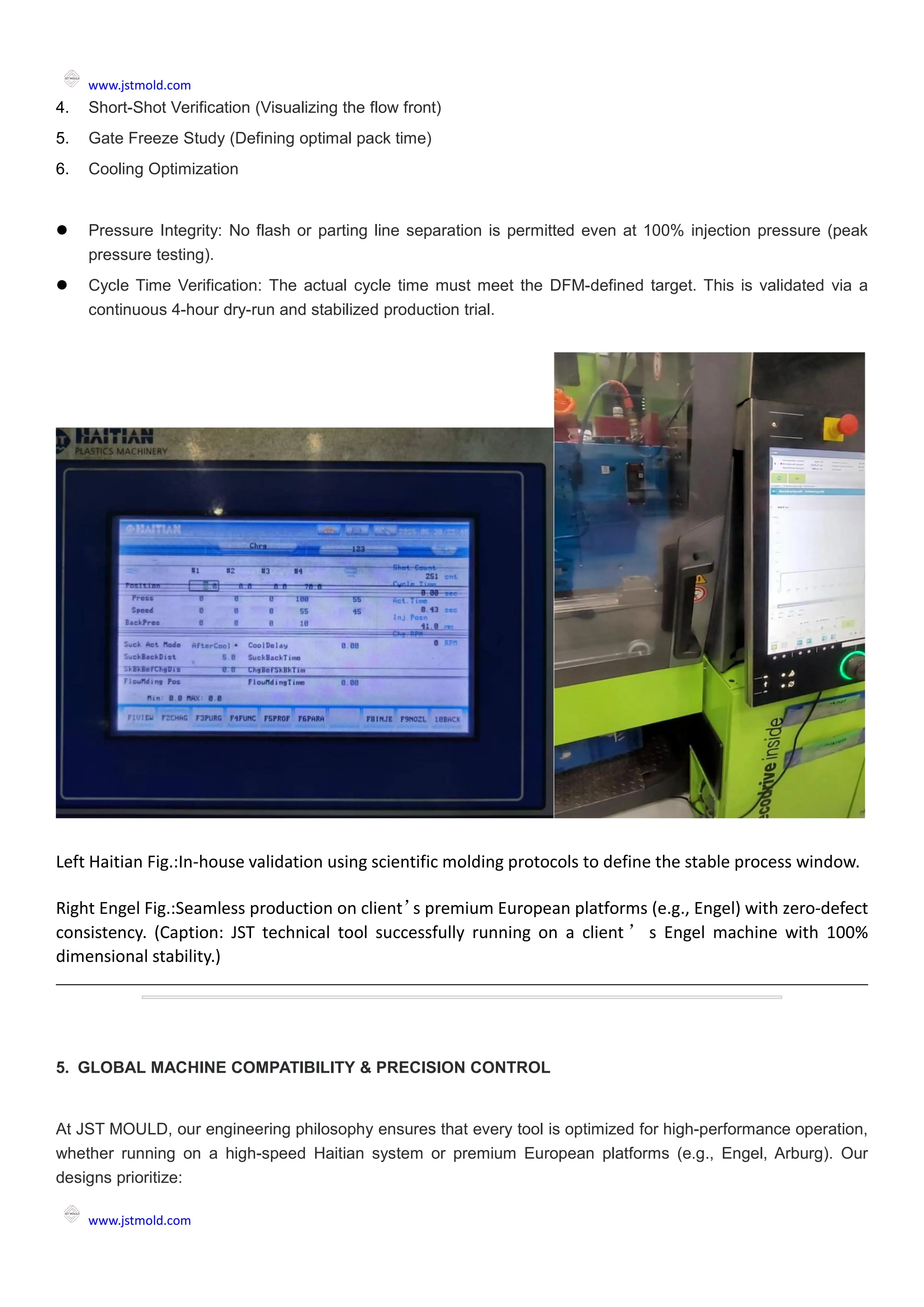
Fig.5: Digital Twin Handover: Ensuring consistent pressure and velocity profiles for million-cycle runs.
Fig 6: Precision Control: Maintaining +/- 0.01mm part stability through data-driven process control.
Fig.7: Ready for a DFM Audit? Contact our Global Technical Sales Office to align your project with our 2026 Protocol.
Need the high-resolution PDF version for your engineering team? Click here to request the document.
Is your supply chain built on data, or just hope?
Tier-1 manufacturing is a high-stakes game. A single hour of line-stop in a German or US facility can wipe out your entire quarter’s margin. At JST Mould, we don’t "test" molds; we validate production systems. If your current tool shop doesn't provide mill certificates for 1.2343 ESR or a mandatory 6-step SIM report as standard practice, you are carrying unnecessary risk.
Let’s align your next high-precision program with the JST 2026 Technical Protocol. We are ready to de-risk your project before the first block of steel is cut.
REQUEST A TECHNICAL DFM AUDIT
UPLOAD 3D FILES FOR FEASIBILITY REVIEW
Direct Engineering Contact: info@jstmould.com